
 Deutsch
 English
 Français
 Español
 Italiano
 Nederlands
 Português
 Slovenčina
 Hrvatski
 Slovenščina
 Lietuvių
 Eesti
Eesti Български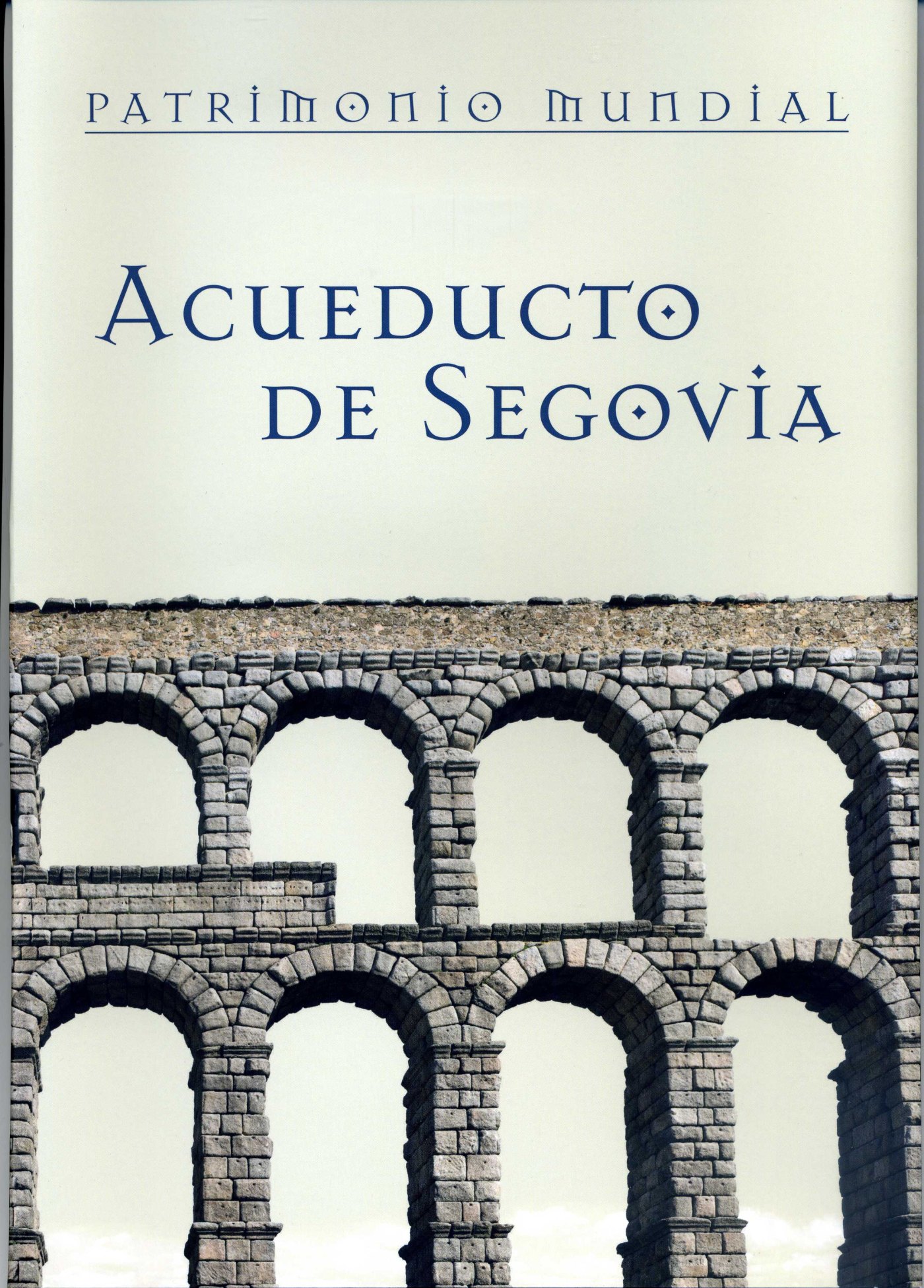


CC 237 2016
Numismatic cover
BU
Numismatic cover
Spain · UNESCO World Cultural Heritage Series, 7th issue, Old Town and Aqueduct of Segovia
Mintage3,500
Issue price€25.00
Issue date5 Feb 2016
PackagingNumismatic cover
Edge lettering2 ★ ★ × 6, alternating upright/inverted
Issue occasion
The commemorative coin honors Segovia as a UNESCO World Cultural and Natural Heritage site. The design shows the Aqueduct of Segovia (Aquädukt von Segovia) in the foreground and the inscription “ESPAÑA” along the upper edge.
The design
The design depicts the Aqueduct of Segovia in the foreground. Along the upper edge of the inner circle, the name of the issuing country, “ESPAÑA”, is inscribed in an arc, with the year of issue, “2016”, below it. The mintmark is inscribed at the upper right edge.
The twelve stars of the European flag can be seen on the coin’s outer ring.
The twelve stars of the European flag can be seen on the coin’s outer ring.
Background on the topic
Segovia is located in Castile and León northwest of Madrid. The old town developed on a rocky ridge between the Eresma and Clamores rivers. Its present appearance is the result of several historical periods: alongside Roman remains, it contains medieval churches, the former Jewish city, the late Gothic cathedral and the Alcázar, a fortified royal residence. In 1985, UNESCO jointly inscribed the old town and the aqueduct on the World Heritage List.
The aqueduct was probably built towards the end of the 1st or the beginning of the 2nd century AD. It formed part of a water supply system that brought water from the surrounding area to the elevated city. The gradient was calculated so that the water could be transported without pumps. Within the city, a multi-storey arched structure spanned the depression in the terrain. Particularly striking is the construction from large granite blocks, which were joined without mortar. Its stability is based on the weight and precise arrangement of the stones. Parts of the water supply system remained in use into the modern era.
After the end of Roman rule, Segovia remained a regional centre. In the Middle Ages, Christian, Jewish and, for a time, Muslim population groups lived there. The city was also associated with the Castilian royal family. Isabella of Castile was proclaimed queen in Segovia in 1474. Trade, wool processing and cloth production shaped the city’s economic life for an extended period.
The issue belongs to a Spanish coin series on the country’s UNESCO World Heritage Sites. Since 2010, a different Spanish World Heritage Site has been featured in the series each year. The choice of Segovia in 2016 was therefore not an indication of a specific anniversary, but part of the ongoing presentation of these sites. The Roman hydraulic structure was a clearly identifiable feature associated with the city.
The aqueduct was probably built towards the end of the 1st or the beginning of the 2nd century AD. It formed part of a water supply system that brought water from the surrounding area to the elevated city. The gradient was calculated so that the water could be transported without pumps. Within the city, a multi-storey arched structure spanned the depression in the terrain. Particularly striking is the construction from large granite blocks, which were joined without mortar. Its stability is based on the weight and precise arrangement of the stones. Parts of the water supply system remained in use into the modern era.
After the end of Roman rule, Segovia remained a regional centre. In the Middle Ages, Christian, Jewish and, for a time, Muslim population groups lived there. The city was also associated with the Castilian royal family. Isabella of Castile was proclaimed queen in Segovia in 1474. Trade, wool processing and cloth production shaped the city’s economic life for an extended period.
The issue belongs to a Spanish coin series on the country’s UNESCO World Heritage Sites. Since 2010, a different Spanish World Heritage Site has been featured in the series each year. The choice of Segovia in 2016 was therefore not an indication of a specific anniversary, but part of the ongoing presentation of these sites. The Roman hydraulic structure was a clearly identifiable feature associated with the city.
Interesting Facts
Joint issue of “Real Casa de Moneda” and “Correos” (Spanish Post)